
Comprehensive Home Pest Management Solutions for Your Home
- Zac Henderson

- Dec 23, 2025
- 3 min read
Pests can be more than just a nuisance; they can cause damage to your property and pose health risks to your family. Effective home pest management is essential to keep your living space safe, clean, and comfortable. This guide will walk you through practical and comprehensive solutions to manage and prevent pest infestations in your home.
Understanding Home Pest Management: What You Need to Know
Home pest management involves identifying, controlling, and preventing pests that invade your living space. Common household pests include ants, cockroaches, rodents, termites, spiders, and bed bugs. Each pest requires a specific approach for effective control.
Key steps in home pest management include:
Identification: Recognize the type of pest to choose the right treatment.
Inspection: Locate entry points, nests, and food sources.
Prevention: Seal cracks, maintain cleanliness, and remove attractants.
Control: Use traps, baits, or chemical treatments as needed.
Monitoring: Regularly check for signs of pests to catch problems early.
By understanding these steps, homeowners can take proactive measures to protect their homes.

Effective Strategies for Home Pest Management
Implementing a combination of preventive and control measures is the best way to manage pests effectively. Here are some practical strategies:
1. Maintain Cleanliness and Hygiene
Pests are attracted to food crumbs, spills, and garbage. Keeping your home clean reduces their food sources.
Clean kitchen counters and floors daily.
Store food in airtight containers.
Dispose of garbage regularly and use sealed bins.
Avoid leaving pet food out overnight.
2. Seal Entry Points
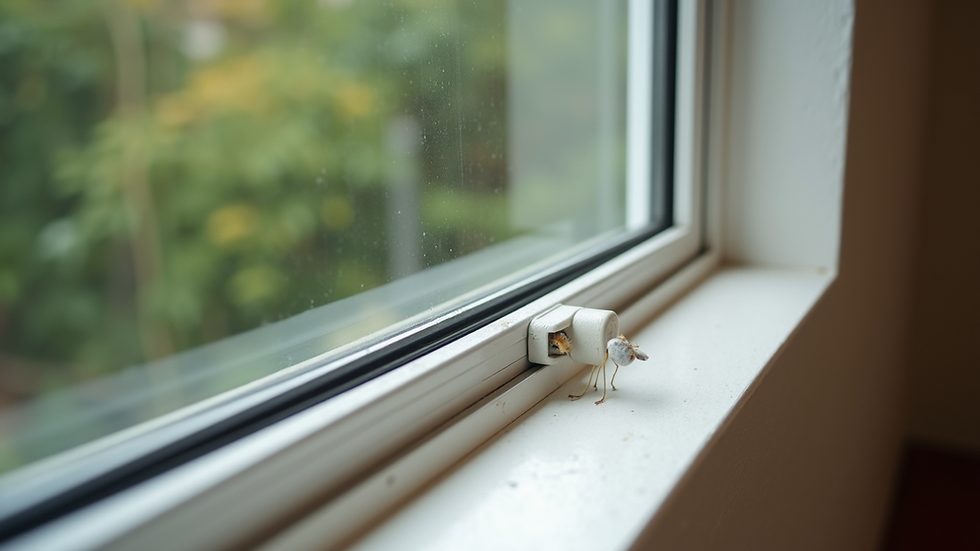
Pests enter homes through cracks, gaps, and openings.
Inspect doors, windows, and foundation for gaps.
Use weather stripping and door sweeps.
Seal cracks with caulk or foam.
Repair damaged screens on windows and vents.
3. Manage Moisture
Many pests thrive in damp environments.
Fix leaking pipes and faucets.
Use dehumidifiers in basements and crawl spaces.
Ensure proper drainage around your home.
Avoid overwatering plants near the foundation.
4. Use Natural and Chemical Controls Wisely
Depending on the pest, natural remedies or chemical treatments may be appropriate.
Use diatomaceous earth for ants and bed bugs.
Apply boric acid in cracks for cockroach control.
Use traps for rodents.
For severe infestations, consider professional-grade insecticides.
5. Regular Inspection and Maintenance
Routine checks help catch infestations early.
Inspect attics, basements, and crawl spaces.
Look for droppings, nests, or damage.
Schedule seasonal pest control treatments.
Choosing the Right Pest Control Services for Your Home
Sometimes, DIY methods are not enough to handle persistent or large infestations. Hiring professional pest control services can provide effective and long-lasting solutions.
Benefits of professional pest control include:
Expert identification and treatment plans.
Access to specialized equipment and products.
Safe application of chemicals.
Customized prevention strategies.
Peace of mind knowing the problem is handled.
When selecting a pest control company, consider their reputation, experience, and customer reviews. Ensure they use environmentally friendly and safe methods, especially if you have children or pets.
Common Household Pests and How to Handle Them
Different pests require different approaches. Here are some common pests and tips to manage them:
Ants
Keep surfaces clean and dry.
Use bait stations to attract and kill ants.
Seal entry points around doors and windows.
Cockroaches
Eliminate food and water sources.
Use gel baits and insect growth regulators.
Maintain clutter-free spaces.
Rodents
Store food securely.
Use snap traps or electronic traps.
Seal holes larger than 1/4 inch.
Termites
Reduce wood-to-soil contact.
Treat wood with termiticides.
Schedule professional inspections annually.
Bed Bugs
Wash bedding in hot water.
Use mattress encasements.
Consider heat treatments or professional extermination.
Maintaining a Pest-Free Home Year-Round
Long-term pest control requires ongoing effort and vigilance. Here are some tips to keep your home pest-free throughout the year:
Seasonal Cleaning: Deep clean your home during seasonal changes.
Landscaping: Keep shrubs and trees trimmed away from the house.
Storage: Avoid storing firewood or debris near your home.
Education: Stay informed about local pest trends and prevention tips.
Professional Checkups: Schedule regular visits from pest control experts.
By integrating these habits into your routine, you can minimize the risk of infestations and enjoy a healthier home environment.
Effective home pest management is achievable with the right knowledge and tools. Whether you choose to tackle pests yourself or enlist professional help, staying proactive is key to protecting your home and family from unwanted invaders.


Comments